

In the race to be among the pioneers of a new local government devolution revolution, one important issue is just how much it is all costing the taxpayer?
As civil servants bury their heads in bundles of papers detailing the options for the county that have been sent en-masse from council offices to Whitehall so too will plenty of council taxpayers.
Given that this is being billed as a once-in-a-generation shake up, you would expect public bodies that oversee annual multi-million pound budgets to have the skills to at least hazard an educated guess.
And let’s be fair to councils: there is no real precedent or template for this level of upheaval to draw on.
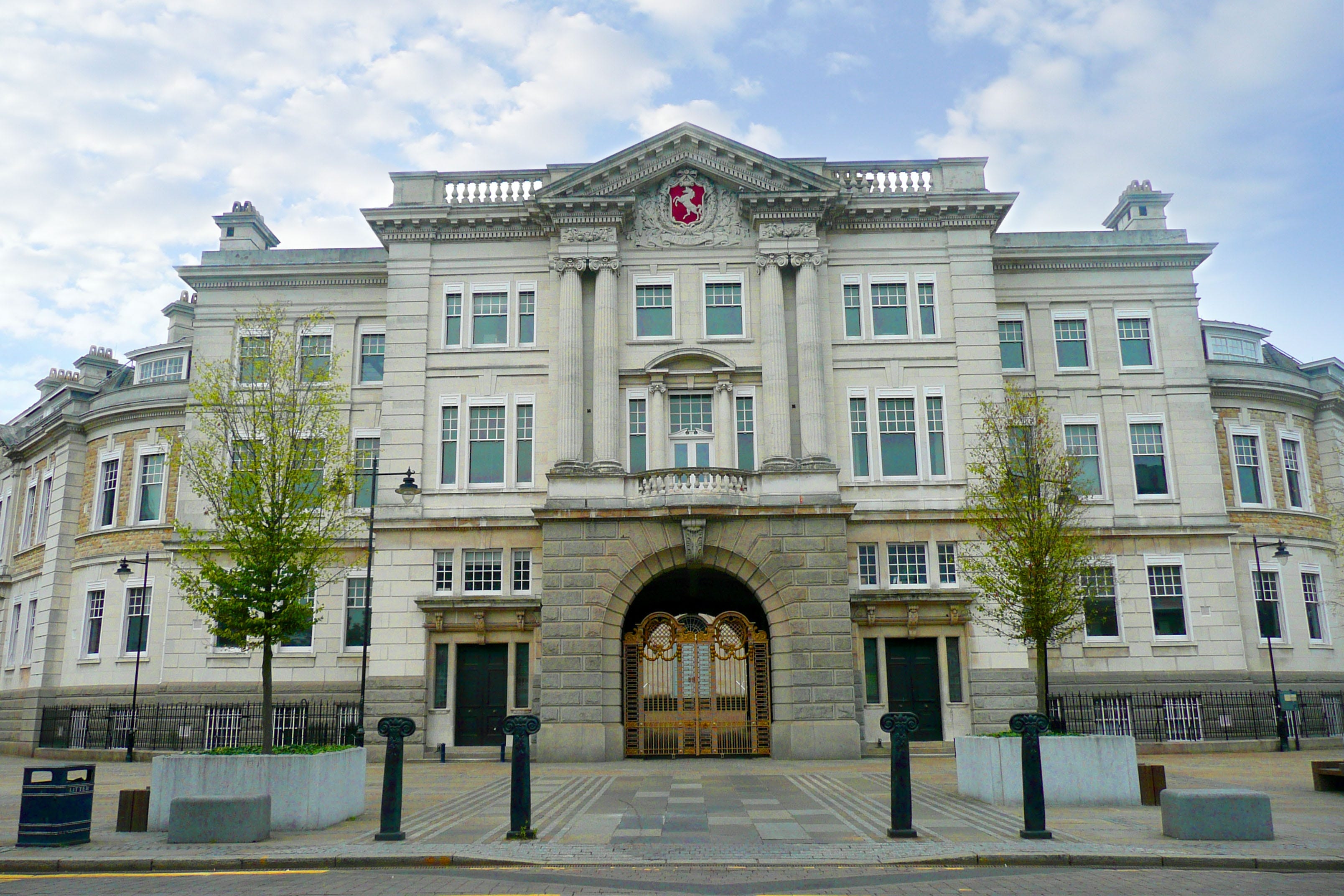
But submissions being made by individual councils can be hard to decipher. The bewildering mass of statistics that appear in the county council’s business case for becoming a stand-alone unitary authority is spread across some 300 plus-pages. Not exactly bed-time reading.
Meanwhile, councils are trying to sugar the pill in not altogether convincing ways - suggesting that any financial ramifications can be deferred in the same way manufacturers advertise on TV offering tempting deals to cash in on low interest rates and no obligation to start paying for four years.
The individual costs of the impact for each new proposed authority are not precisely identified but KCC figures outline how savings affect the collective group of the proposed newly-formed unitary councils in each option.
Among those catching the eye under KCC’s single unitary is a reference to the recruitment of 27 “additional community navigators” to explain and advise what the changes mean to the public at an estimated cost of £1.1m.
Other savings will come from “consolidating back-office functions” such as Human Resources (HR), Finance and Information Technology (IT) to streamline operations, enhance efficiencies and unlock savings.”
The greatest cost savings will come from cuts in the workforce but even here there is not much meat on the bone.
The authority’s leader makes no bones about the consequences of creating multiple unitary councils. Cllr Linden Kemkaran said:

“This would be to the detriment of the entire county, but for some areas it is an existential threat and breaking up Kent and Medway would undermine “the county’s ability to respond to national challenges, destabilise critical response arrangements and erode the strategic resilience that currently benefits the whole country.”
An existential threat? That’s serious stuff if you believe how it is defined, namely “as an event that causes the destruction of the earth originating intelligent life or permanent irreversible destruction of humanity’s long-term potential…unlike mere disasters, these are terminal.”
So, what are the headlines for the one-off implementation costs for Kent County Council and other authorities?
Option 1 - Kent governed by a single pan-wide unitary authority at a set-up cost of £99m; would eventually save the tax-payer some £69m a year. Favoured by KCC but not by others.
Option 3a - Medway plus three unitaries: implementation costs £127.7m; then £69.4m saved annually. Supported by many councils: Gravesham, Medway and Swale in the north; Sevenoaks, Tonbridge and Malling, Maidstone and Tunbridge Wells in the west and Ashford, Canterbury, Thanet, Dover and Folkestone and Hythe.
Option 4b: Kent divided into four unitary councils, taking into account existing communities and boundaries to provide all services. Set up costs £130.9m; £67.5m annual savings. Supported by among others: Dartford; Gravesham; Medway; Maidstone; Sevenoaks; Tonbridge & Malling; Tunbridge Wells; Ashford; Folkestone and Hythe; Swale, Canterbury;Dover, Thanet.
In total, the five options under consideration could mean an admission fee of millions of pounds.
For those who harbour enthusiasm for the brave new world of council re-organisation, the government is being pretty uncompromising.
It has been explicit in making councils aware that the initial burden of transition costs will fall to them rather than the government.
No doubt civil servants will be pouring through submissions to make sure they are not just accurate but valid.
This scrutiny is important - as it allows for a careful and measured assessment of the worth of the individual authorities who are joining forces.
As things stand, Kent council leaders who represent district and borough authorities seem to be in limbo while they wait anxiously for news from the government.
As do residents pondering if devolution is the way ahead.
To be honest Paul, 300-page councils documents are exactly what I picture you reading at bedtime!
I will plead the fifth on that Rhys!