

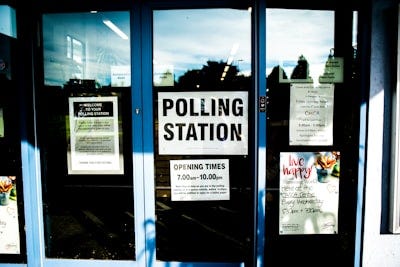
There are no major elections taking place in Kent but fear not - it means greater opportunities to indulge in the well-known political bingo whenever we go to the polls. But what does the avalanche of buzzwords, cliches and soundbites actually mean?
Here’s your starters for ten:
“Oust” - as in the act of political decapitation; can apply to individuals or groups. Often used to underline scale of defeat in eye-wateringly bad results. See also “plummeting” votes.
“Drubbing” - normally reserved for particularly poor results in what were previous strong-hold councils for parties. Often used alongside oust.
“Thrashing defeat” - not just a defeat but something even worse.
“Seismic shift” - a growing favourite, commonly used in the run-up to elections where pundits hedge their bets on forecasts and by defeated politicians trying to explain why they’ve lost so much support. Equally popular among victorious candidates.
“Tectonic plates” - as in the political version of major geographical changes that may take a long, long period of time and therefore is handily difficult to predict. As is polarising.
“Expectations” - used by politicians when trying to account for defeat, as in “it’s what we expected.” Translation: “It’s not what we expected at all.”
“Change” - used by both defeated candidates and winning candidates. “The voters have shown they want change” - ad infinitum until everyone is sick of it.
“The real issues” - used by politicians to account for results which did not quite go the way they expected. As in “we didn’t get our message across to ordinary voters.”
“Populism” - tricky to define this but used to explain parties who promote simplified but popular policies to appeal to the “common person.” Whoever that might be.
Five-party politics - how much time have you got?